
Ziwei Wang 王紫薇
Ph.D. Candidate at Huazhong University of Science and Technology (HUST), supervised by Prof. Dongrui Wu.
My research focuses on data-efficient, robust, and generalizable EEG decoding under data scarcity and distribution shifts, including cross-subject, cross-dataset, cross-modality, and cross-species settings.
I am supported by the Youth Student Fundamental Research Project from NSFC and the Doctoral Student Program of the Young S&T Talents Cultivation Project from CAST, with total funding of 340,000 RMB (~48,000 USD).
EEG decoding under data scarcity and distribution shift, spanning cross-subject, cross-dataset, cross-modality, and cross-species transfer.
9 first-author papers, including 7 Q1/Top/CAA-A journals such as National Science Review, IEEE JBHI, IEEE TBME, Neural Networks, and Knowledge-Based Systems.
Ant Group InTech Scholarship, National Scholarship ×3, IEEE CIS Student Grant, Merit Student Pacesetter at HUST, and Huanau Top-10 BCI Awards in China.
Reviewer for IEEE RBME, IEEE TFS, IEEE JBHI, IEEE TNSRE, KBS, IEEE TBIOM, JNE, Scientific Reports, ICONIP, and IEEE SMC; recognized as an IOP Trusted Reviewer.
Research Vision
My long-term goal is to build reliable EEG foundation models that can better understand brain signals and support intelligent diagnosis, treatment, and rehabilitation of brain disorders.
To address this goal, I have been working on three main directions:
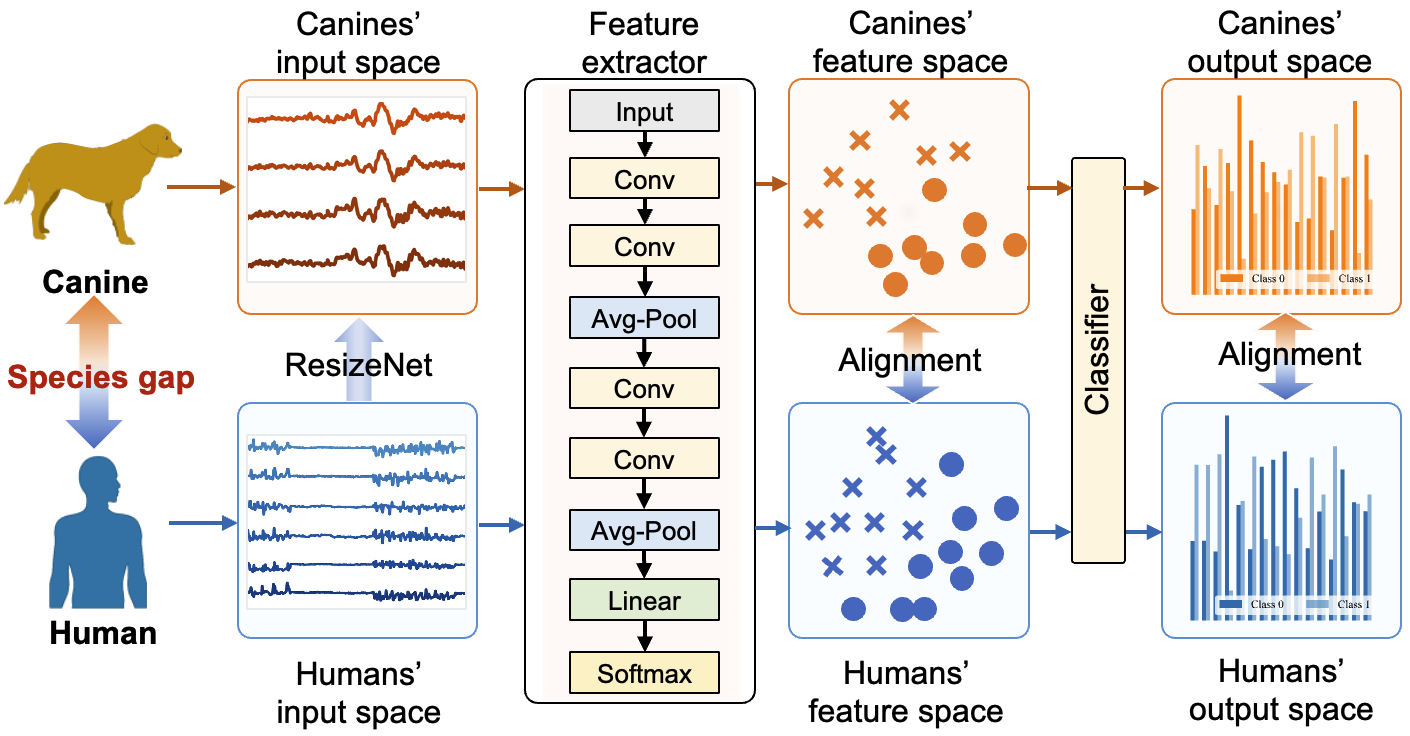
- Cross-species and cross-modality EEG decoding: developing transfer learning frameworks for seizure detection across species and recording modalities, including knowledge transfer from canine to human EEG and from intracranial to scalp EEG. Representative work: ResizeNet+MSA.
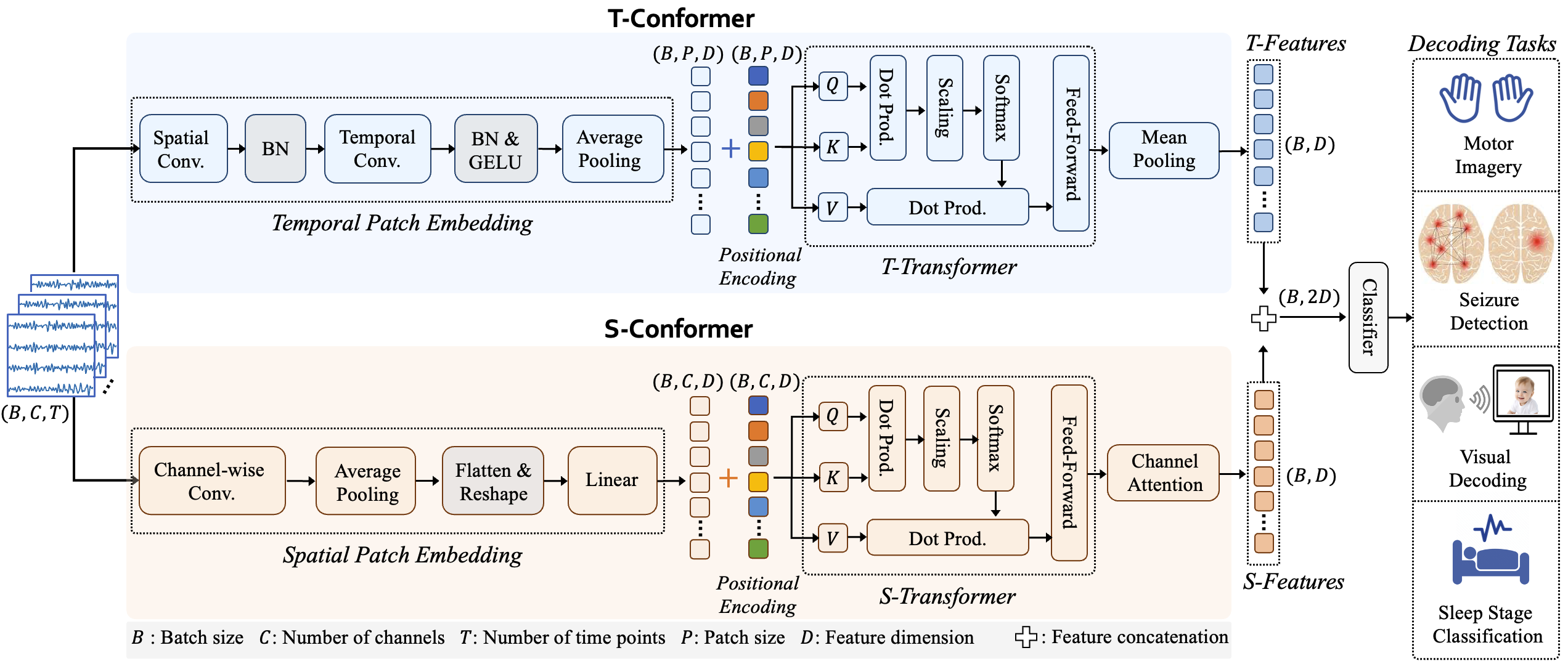
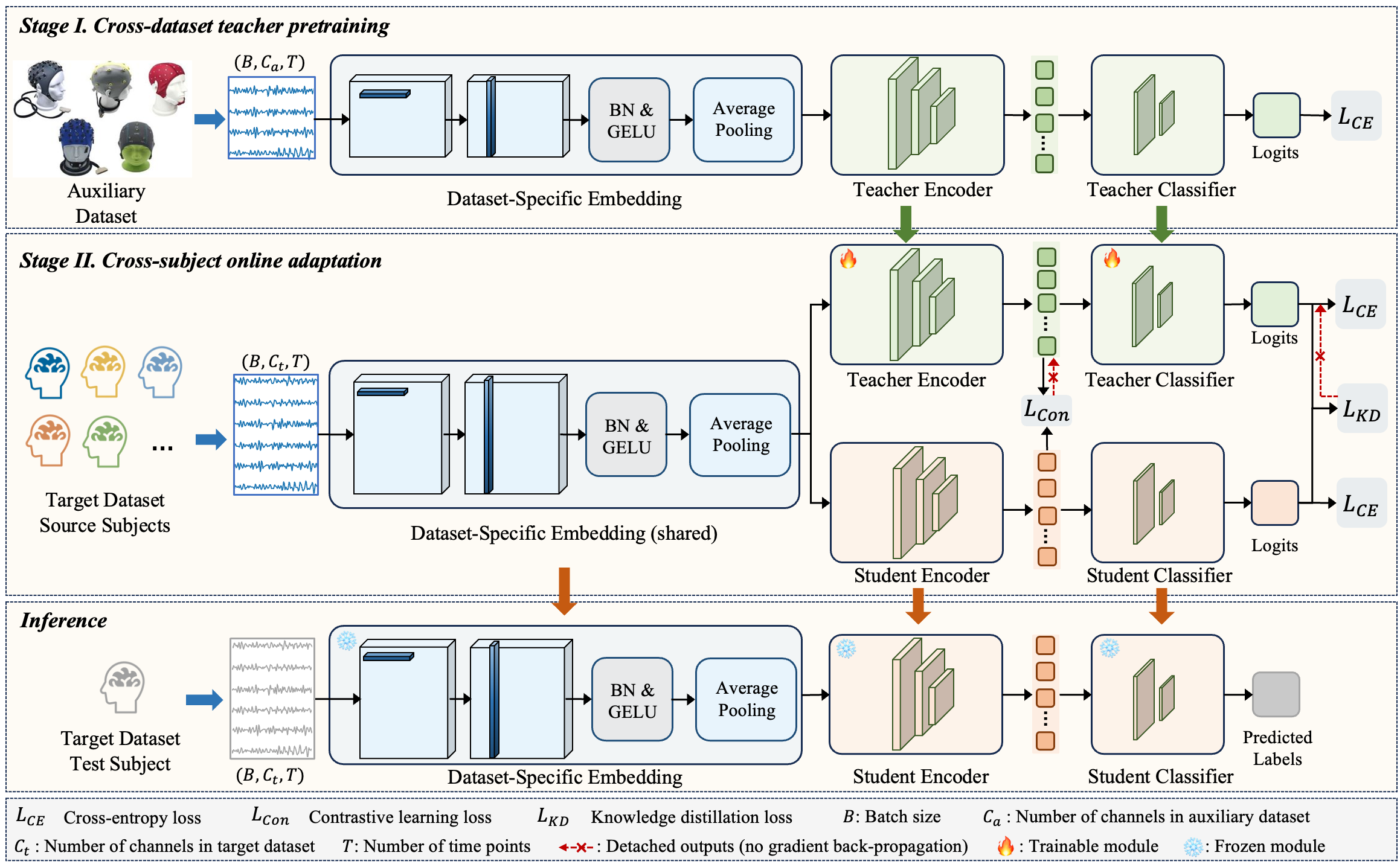
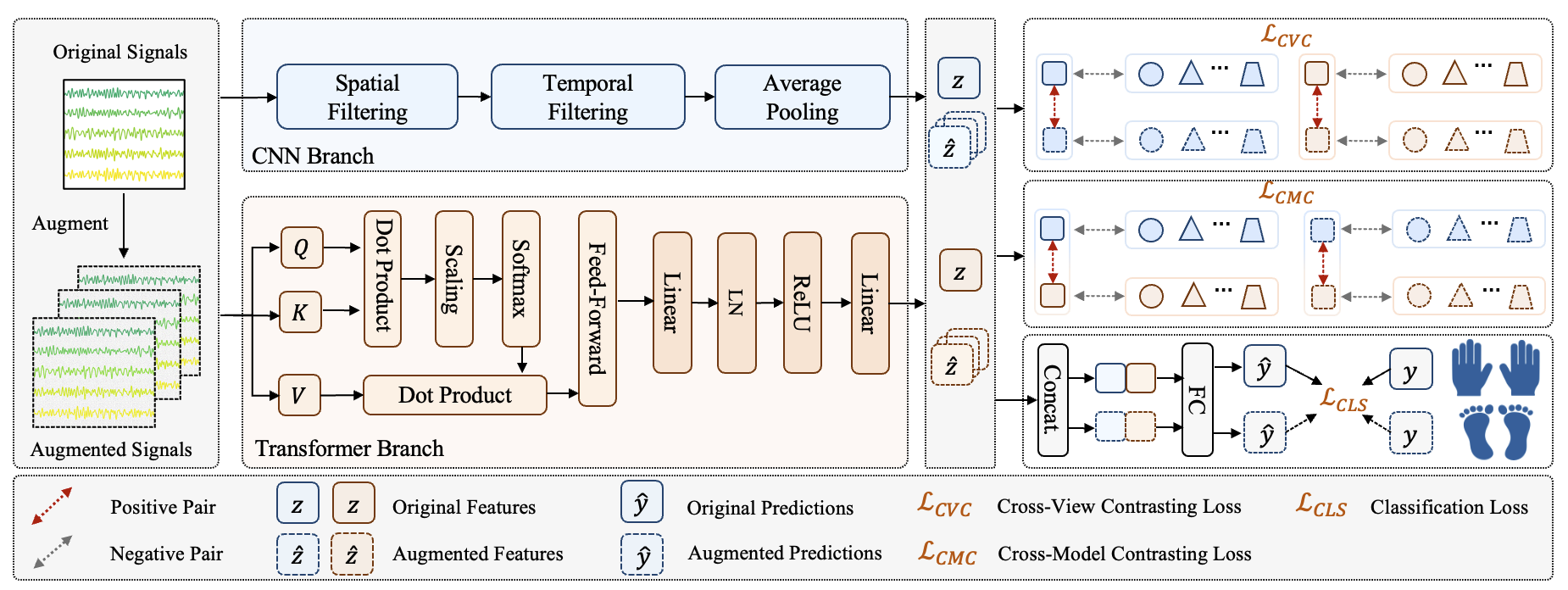
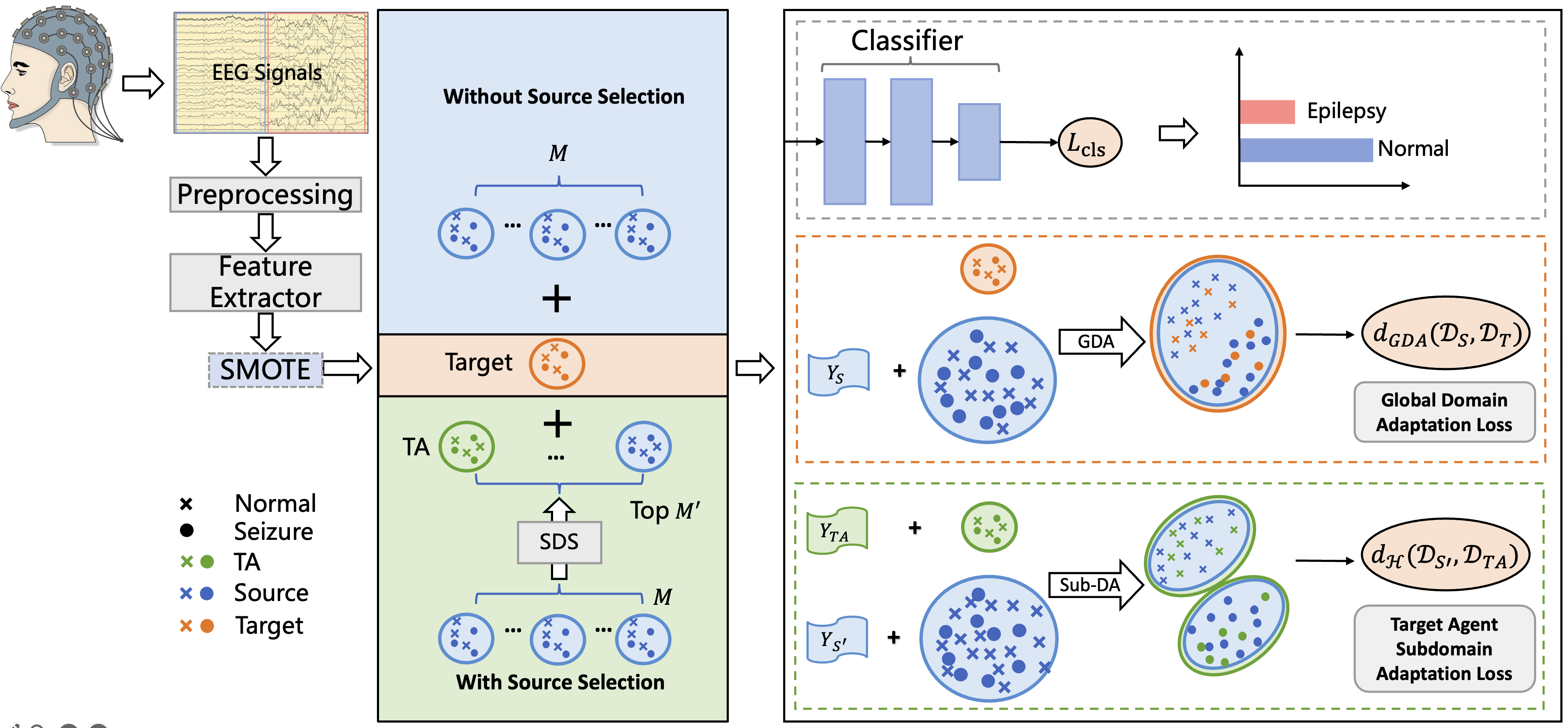
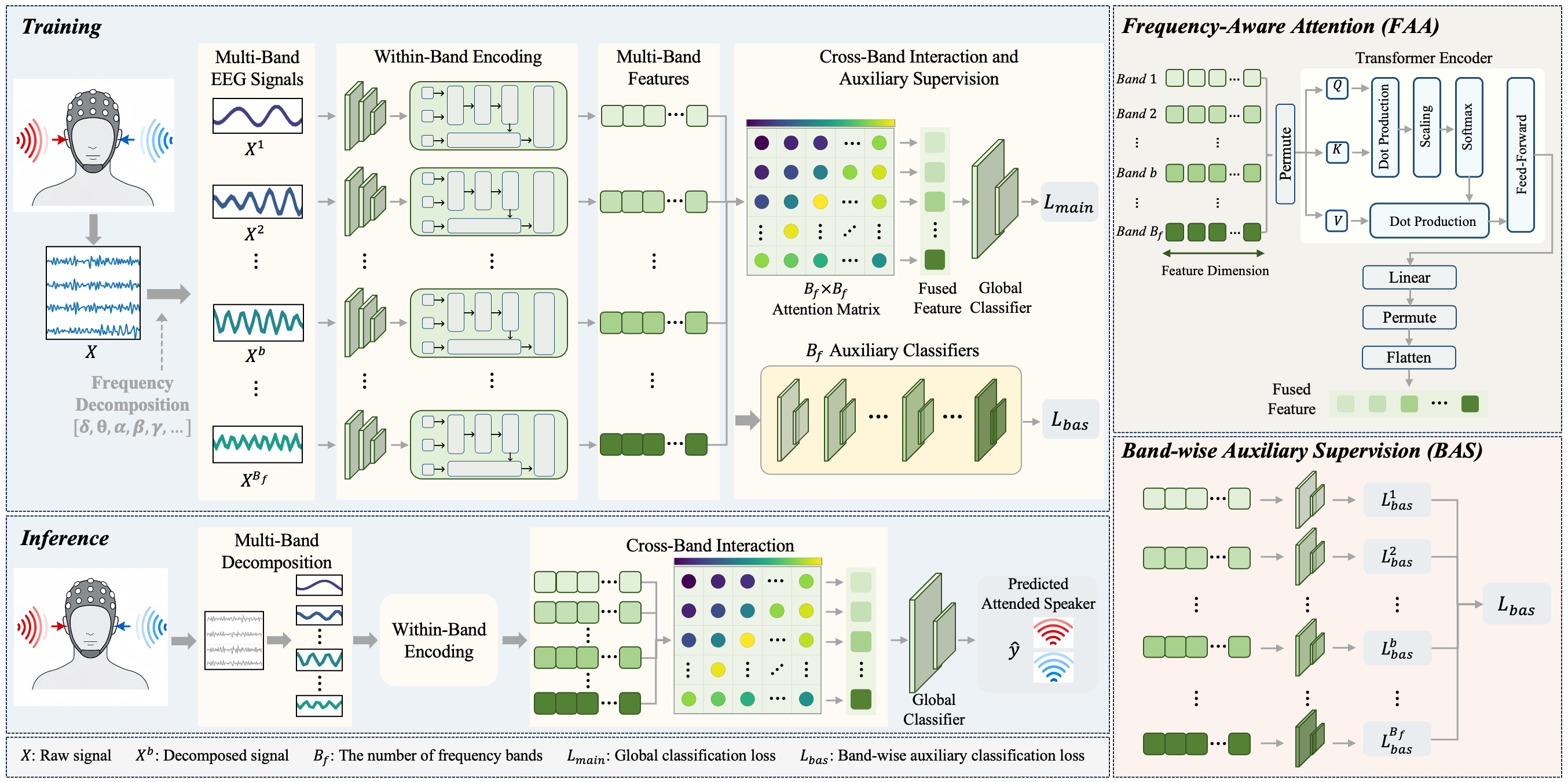
- Reliable EEG decoding under real-world challenges: designing robust decoding architectures and transfer learning algorithms for cross-subject, cross-dataset, low-sample, and low-SNR scenarios. Representative works: DBConformer, FAConformer, MVCNet, CKD, and TASA.
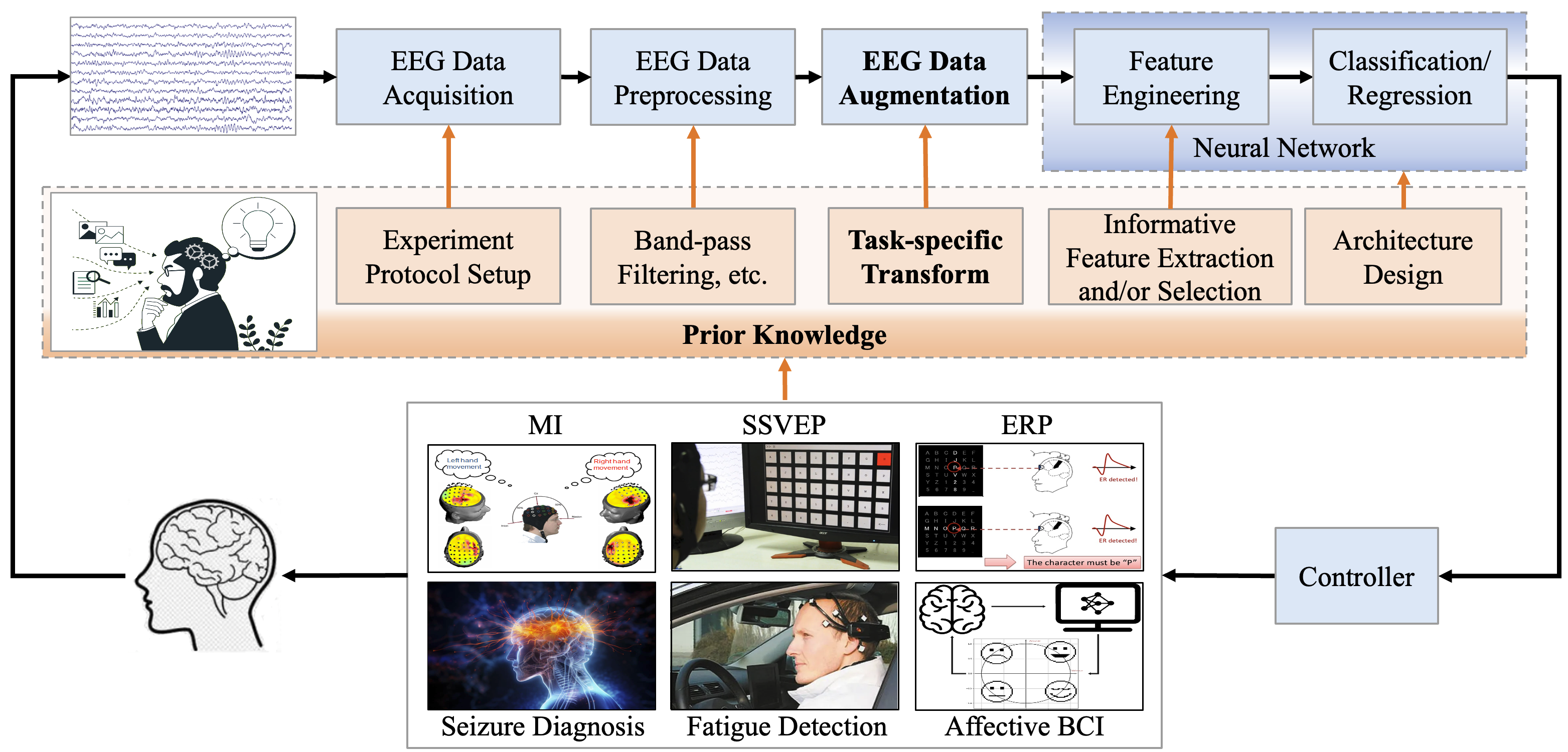
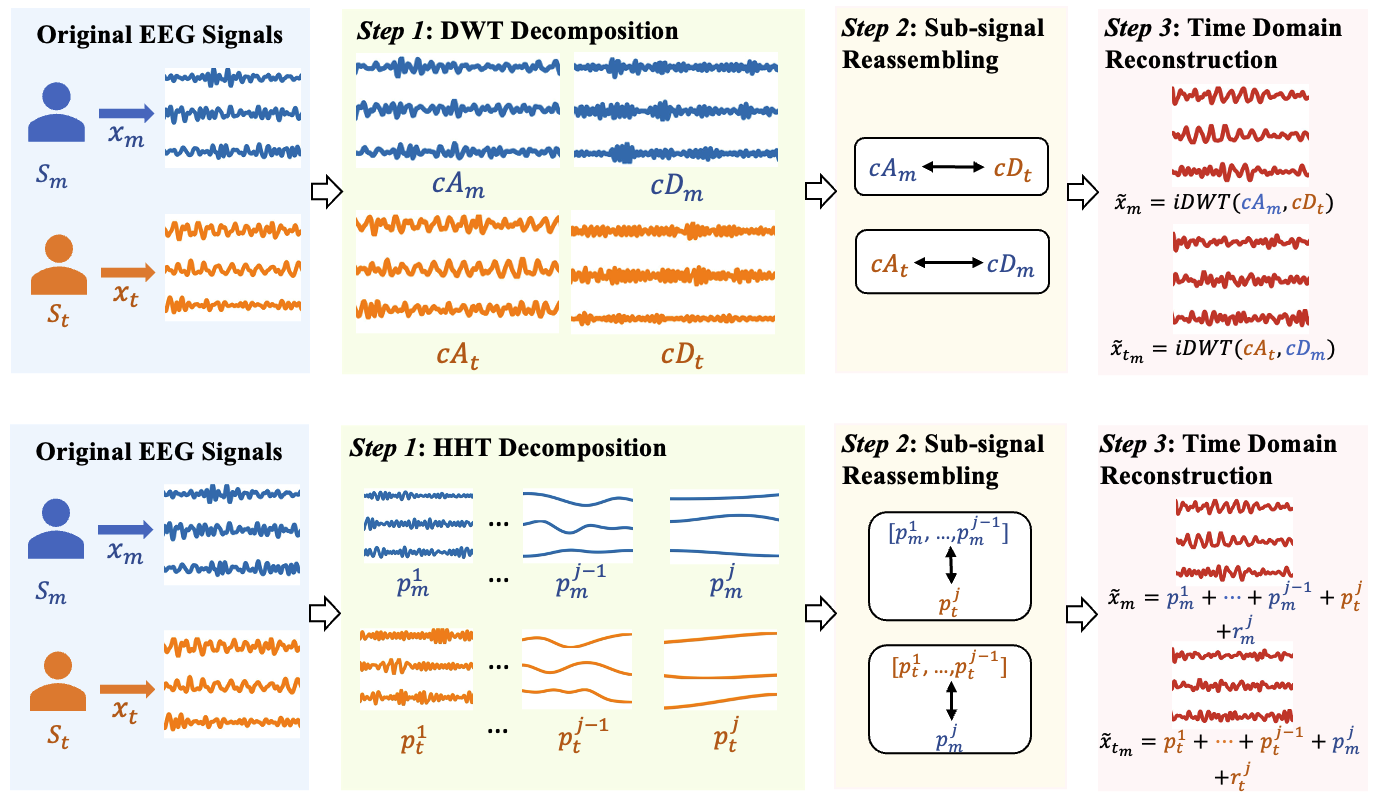
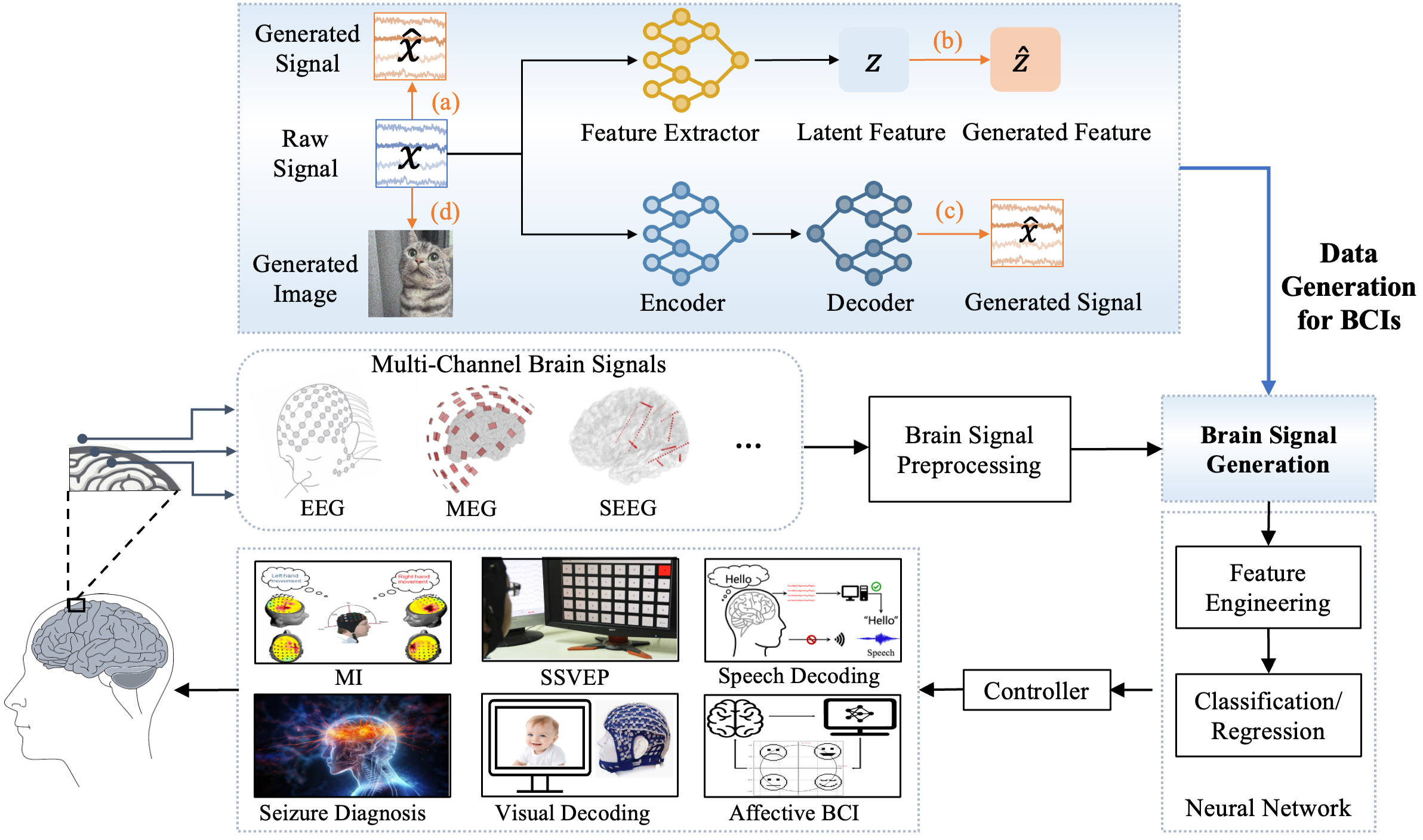
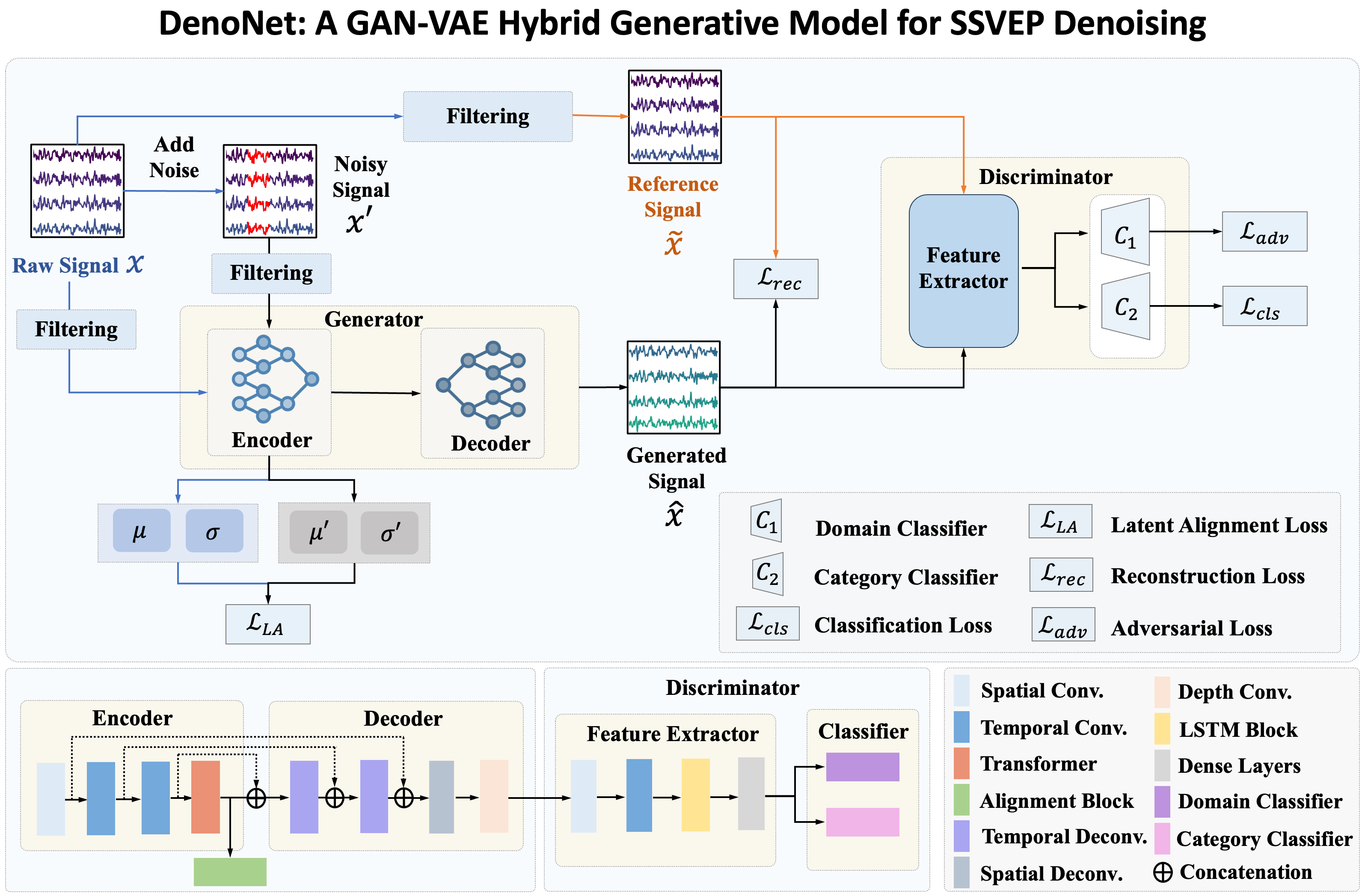
- Data foundations for brain foundation models: building knowledge-driven augmentation, denoising, and generation approaches to support data-efficient EEG modeling, pretraining, and foundation model construction. Representative works: CR, DWTaug, HHTaug, DenoNet, and DG4BCI.
News
- 06 / 2026 — CKD accepted by IEEE TBME.
- 04 / 2026 — We have released the CHSZ dataset, an EEG dataset collected from 27 children for epileptic seizure detection, for public download and use. Please refer to our TASA-SDS and CST papers for details of data processing.
- 03 / 2026 — Our survey on brain signal generation is available on arXiv. Special thanks to Tiki 🐱 for kindly providing her photo for the figures.
- 02 / 2026 — Selected for the Top 10 Advances in Brain–Computer Interfaces in China (Huanau Award).
- 12 / 2025 — Supported by the Doctoral Student Program of the Young S&T Talents Cultivation Project from CAST (40,000 RMB).
- 12 / 2025 — Supported by the Youth Student Fundamental Research Project from NSFC (300,000 RMB).
- 10 / 2025 — DBConformer accepted by IEEE JBHI.
- 09 / 2025 — Awarded the Ant Group InTech Scholarship.
- 07 / 2025 — MVCNet accepted by Knowledge-Based Systems.
- 03 / 2025 — CST accepted by National Science Review.
- 02 / 2025 — CSDA accepted by Knowledge-Based Systems.
- 08 / 2024 — Selected for the Top 10 Highlights in Brain–Computer Interfaces in China (Huanau Award).
- 04 / 2024 — CR accepted by Neural Networks.
Representative Publications
Awards
- 主持国家自然科学基金博士生项目, 2025
- 入选中国科协青年科技人才培育工程博士生专项计划, 2025
- 首届蚂蚁InTech奖学金(全球10人), 2025
- National Scholarship (国家奖学金), PhD, 2025
- National Scholarship (国家奖学金), PhD, 2024
- National Scholarship (国家奖学金), Undergraduate, 2020
- 湖南省优秀毕业生, 2021
- 华中科技大学三好学生标兵(校学生最高荣誉), 2025
- 中南大学特等奖学金(校最高级别奖学金), 2021
- IEEE CIS Scholarship (IEEE计算智能学会奖学金), 全球5人, 2022
- 脑机接口华瑙奖“中国脑机接口十大进展”(全国10项), 2025
- 脑机接口华瑙奖“中国脑机接口十大亮点”(全国10项), 2024
- 世界机器人大赛—脑控机器人大赛全国一等奖, 2023
- 世界机器人大赛—脑控机器人大赛全国二等奖, 2025
- 世界机器人大赛—脑控机器人大赛全国二等奖, 2021
- IOP Trusted Reviewer(英国物理学会可信审稿人), 2024
Education
- 09 / 2021 – Present — Ph.D. candidate, Huazhong University of Science and Technology
- 09 / 2017 – 06 / 2021 — B.Eng. in Measurement and Control Technology and Instrumentation, Central South University
Talks
- 11 / 2023 — ICONIP Tutorial: Transfer learning for EEG-based brain–computer interfaces
- 05 / 2025 — CSSC Oral: Cross-species and cross-modality seizure detection via multi-space alignment
- 09 / 2024 — Alibaba Cloud Yunqi Conference Oral: EEG-based automatic seizure detection
- 12 / 2024 — China Brain–Computer Intelligence Conference Poster
- 12 / 2025 — SAAC 2025 Poster: DBConformer
- 12 / 2024 — SAAC 2024 Poster: CR
Internships
Alibaba Cloud, China
10 / 2022 – 04 / 2023
- Designed five augmentation operators based on N-grams and TF-IDF for anomaly-aware data augmentation.
- Proposed a SparseAttention module for long-sequence forecasting.
- Designed a domain-generalized mixture-of-experts model for robust fault prediction under temporal and device-level shifts.